Hey guys, if you’ve ever walked through a power plant at 2 a.m. or stood in a new data center checking rack installations, you’ve probably glanced at those metal or plastic channels running along walls, under floors, or above drop ceilings—trough cable trays. As someone who’s been in the trough cable tray game for over a decade, I get it: most folks don’t think twice about these unassuming workhorses… until their whole cable setup goes sideways. Lately, I’ve been getting so many DMs from guys asking, “Where exactly is this stuff used?” Instead of replying to each one individually, I figured I’d spill the tea on the industries that rely on trough cable trays the most. Trough Cable Tray
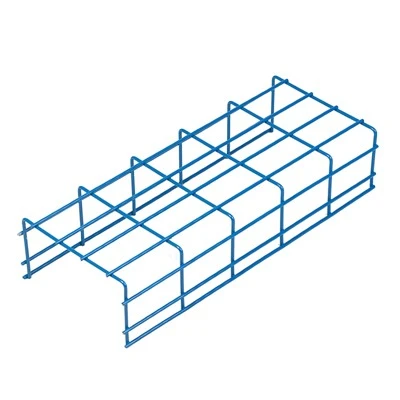
First off, let’s cut to the chase: trough cable trays aren’t just holding cables in place. They’re organizing them, protecting them from dust, moisture, curious critters, and even accidental damage. Unlike ladder or wire-mesh trays, these are closed (or semi-closed) which makes them perfect for spots where cables need extra shielding. That’s a huge selling point for the first big industry—power generation and utilities. Think about it: coal plants, natural gas facilities, nuclear plants, hydroelectric dams, even solar farms and wind turbine parks. Every single one of these sites has miles of high-voltage power cables, control cables, and communication lines running everywhere. I’ve supplied trays to a wind farm in Iowa that stretches across 20 square miles—those turbines have so many cables linking their blades to the main grid, and trough trays keep them from getting tangled or chewed up by rodents (a massive problem in remote rural power sites). At a natural gas processing plant in Texas, they use galvanized steel trough trays to handle their hazardous area cables—since the trays are enclosed, they stop any flammable gas from seeping into the cable sheaths and causing a spark. Trust me, when you’re dealing with power that could take down a whole town, you don’t cut corners on cable organization.
Next up, data centers and cloud infrastructure. If you think a data center is just a room full of servers, you’re wrong. Behind every server rack is a jungle of Ethernet cables, fiber optics, power cords, and cooling system wires. Messy cables mean failed connections, overheating, and costly downtime—something no data center operator can afford. Trough cable trays here are a game-changer because they keep all that cabling neat and accessible. I’ve done a bunch of jobs with tier 2 data centers out in Arizona; they use aluminum trough trays for their upper rack runs because aluminum is lightweight but durable, and it doesn’t corrode in the dry, dusty air. The best part? Trough trays let you seal the edges if you need to—so dust and moisture from the hot desert don’t get into critical fiber lines. One time, a data center client told me switching to trough trays cut their cable-related outage time by 30% in a year. That’s huge when every minute of downtime costs them thousands in lost revenue.
Manufacturing is another giant user. Whether it’s a car assembly plant, a food and beverage factory, or a pharmaceutical production line, these sites are packed with automated machinery, conveyor belts, and control systems that all need cables. Trough trays here keep cables out of the way of forklifts, cleaning crews (wait, food plants do daily power washing—so the trays have to be stainless steel or PVC-coated to resist water and chemicals), and moving parts. I recently worked with a auto manufacturing plant in Detroit that switched from wire-mesh trays to trough trays because their wire trays were getting clogged with metal shavings from stamping lines. Those shavings were shorting out machine control cables, costing them hundreds of thousands in repair and downtime. Trough trays sealed that mess in, and they haven’t had a shavings-related outage since. For pharma plants, it’s even more strict—they need trays that are easy to sanitize, and trough trays don’t have hard-to-reach gaps where bacteria can grow. PVC or fiberglass-reinforced plastic (FRP) trough trays are perfect here, since they’re non-corrosive and can be wiped down with harsh cleaners without ruining them.
Then there’s the oil and gas industry, upstream and downstream. From offshore drilling rigs to refineries to pipeline pumping stations, this industry has some of the harshest environments on the planet. Constant exposure to saltwater (offshore), extreme temperatures, heavy vibrations, and flammable materials mean cables need top-tier protection. Galvanized steel or FRP trough trays are the go-to here because they’re tough enough to handle all that abuse. I’ve supplied trays to an offshore rig in the Gulf of Mexico—those rigs shake like crazy from waves and drilling, so the trays have to be bolted down securely, and the enclosed design keeps salt spray from corroding cable ends. Refineries in Louisiana use trough trays to route cables around their distillation units, which get super hot—some trays are even fire-rated, so if a small fire breaks out, the trays won’t melt or catch fire and spread the blaze. Pipeline pumping stations, which are spread out in remote areas, use FRP trough trays too because they don’t conduct electricity, which is a safety must for sites near flammable pipelines.
Wait, I can’t forget transportation infrastructure. Think about airports, subway systems, and highway toll plazas. Airports have massive electrical systems for runway lights, terminal power, security cameras, and baggage handling equipment. Trough trays keep all those cables organized so maintenance crews can track them down quickly if a light goes out or a camera fails. Subway systems—especially underground ones—have tons of cables for powering trains, signaling, and station lighting. Underground spaces can be humid and have poor air flow, so closed trough trays prevent moisture from damaging cables. A subway expansion project in New York City a couple years back used custom-sized trough trays to fit along curved tunnel walls; they had to be durable enough to handle the constant vibrations from trains and the occasional water seepage. Toll plazas, both on highways and bridges, use trough trays to route cables for electronic toll collection systems, so there’s no tripping hazard for drivers or workers.
Last but definitely not least, commercial and residential construction for big projects. We’re talking office skyscrapers, hospitals, universities, and even large apartment complexes. Hospitals are a critical one—they have life support systems, MRI machines, and surgical equipment that can’t afford cable failures. Trough trays here route power and communication cables to make sure emergency systems are always up and running, and they’re hidden inside walls or dropped ceilings to keep the space looking clean. Universities with research labs also use trough trays, since labs have specialized equipment that needs dedicated cable runs—no cross-contamination between power cables and sensitive lab data cables. I just finished a job for a new research hospital in Boston that used powder-coated steel trough trays to match the interior design; they didn’t want ugly exposed cables ruining the sleek look of their lobbies and patient rooms.
Now, let’s talk about why trough trays beat other types of trays in these spots. Open trays like ladder or mesh are great for low-stress areas, but when you need shielding, enclosure, or organization, closed troughs are the way to go. They’re customizable too—you can get them in different materials (steel, aluminum, FRP, PVC), sizes, and ratings (fire-resistant, corrosion-resistant, explosion-proof) depending on your industry and environment.
As a supplier, I’ve learned that every project has unique needs. A data center needs lightweight aluminum, a offshore rig needs heavy galvanized steel, a food plant needs corrosion-resistant stainless steel. I’m not just selling trays—I’m helping clients solve their cable problems. If you’re in any of these industries and your current cable setup is messy, causing downtime, or not holding up to the environment, hit me up. I can help you pick the right trough tray for your needs, whether it’s a small job or a huge industrial project. No pushy sales stuff, just real advice from someone who’s been doing this long enough to know what works and what doesn’t.
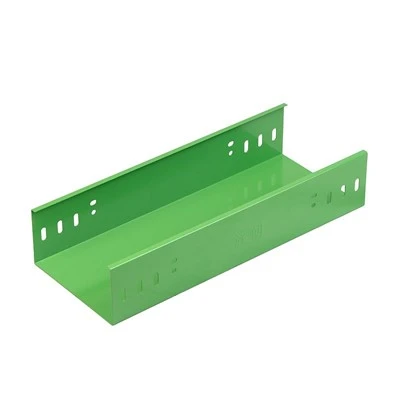
Before I wrap this up, I should mention a few quick notes—trough cables are also used in some smaller spots like stadiums and convention centers, but the big ones are definitely power, data centers, manufacturing, oil and gas, transportation, and large construction projects. If you have a niche I missed, drop a comment below—I’d love to hear about it.
Cable Tray Reference: 1. National Electrical Manufacturers Association. (2021). Cable Tray Systems for Industrial and Commercial Applications. 2. Occupational Safety and Health Administration. (2022). Electrical Safety Guidelines for Power Generation Facilities. 3. Underwriters Laboratories. (2020). Standard for Cable Tray Systems (UL 203).
Hebei Jinglang Industrial Co., Ltd.
As one of the most professional trough cable tray manufacturers and suppliers in China, we also support customized service. We warmly welcome you to wholesale high quality trough cable tray in stock here from our factory. If you have any enquiry about quotation, please feel free to email us.
Address: Nanxinzhuang Village, Daweihe Hui and Manchu Township, Wen’an County, Langfang City, Hebei Province
E-mail: 18231629992@163.com
WebSite: https://www.jinglangcabletray.com/
