As a trusted supplier of floor pads, I understand the crucial role they play in maintaining clean and presentable floors across various settings, from commercial spaces to residential areas. However, like any product, floor pads can encounter issues that may impede their performance. In this blog post, I’ll share some practical tips on how to troubleshoot common problems with floor pads, ensuring that you get the most out of your investment. Floor Pads

1. Poor Absorbency
One of the most common issues users face with floor pads is poor absorbency. This can lead to ineffective cleaning, as the pad fails to soak up spills and dirt properly. There are several reasons why a floor pad might have reduced absorbency:
Contamination
Over time, floor pads can become contaminated with dirt, grease, and cleaning chemicals. These contaminants can clog the pores of the pad, preventing it from absorbing liquids effectively. To address this issue, it’s essential to clean the floor pads regularly. Depending on the type of pad, you can either wash it with a mild detergent and warm water or use a specialized pad cleaner. Make sure to follow the manufacturer’s instructions for cleaning to avoid damaging the pad.
Incorrect Material Selection
The material of the floor pad can significantly affect its absorbency. For example, microfiber pads are known for their high absorbency, while some other synthetic materials may not be as effective. If you’re experiencing poor absorbency, consider switching to a different type of floor pad that is more suited to your cleaning needs. When selecting a pad, take into account the type of spills and dirt you typically encounter, as well as the surface you’ll be cleaning.
Wear and Tear
Floor pads are subject to wear and tear with regular use. As the pad fibers break down over time, its absorbency can decrease. If you notice that your floor pad is looking frayed or worn, it’s probably time to replace it. Regularly inspect your floor pads for signs of damage and replace them as needed to maintain optimal performance.
2. Scratching or Damaging Floors
Another common problem is when floor pads scratch or damage the floors they are meant to clean. This can be a significant issue, especially for delicate surfaces such as hardwood, vinyl, or marble.
Incorrect Pad Grit
Floor pads come in different grits, which determine their abrasiveness. Using a pad with too high a grit for a particular floor surface can cause scratching. For example, a heavy-duty scrubbing pad is suitable for rough concrete floors but can damage softer surfaces. To prevent scratching, always use the appropriate grit pad for the floor type you’re cleaning. Refer to the manufacturer’s guidelines or consult with a flooring professional if you’re unsure which grit to choose.
Debris on the Pad
Sometimes, small particles of dirt or debris can get stuck on the floor pad and cause scratching as the pad moves across the floor. Before using a floor pad, make sure to inspect it for any debris and remove it. You can also use a pre – cleaning step, such as vacuuming or sweeping the floor, to remove loose dirt and prevent it from getting trapped on the pad.
Improper Pad Installation
If the floor pad is not properly installed on the floor machine, it may not move smoothly across the floor, leading to uneven pressure and potential scratching. Make sure to follow the correct installation procedure for your floor machine and pad. Check that the pad is securely attached and centered on the machine to ensure even distribution of pressure during cleaning.
3. Inadequate Cleaning Performance
Even when the floor pad appears to be in good condition and has sufficient absorbency, you may still experience inadequate cleaning performance.
Chemical Compatibility
The cleaning chemicals you use with the floor pad need to be compatible. Using the wrong chemicals can either reduce the effectiveness of the pad or damage it. For example, some harsh chemicals can break down the fibers of the pad, while others may not work well with the pad’s material. Always check the manufacturer’s recommendations for compatible cleaning chemicals and use them in the correct dilution ratios.
Machine Settings
If you’re using a floor machine with the pad, incorrect machine settings can also lead to poor cleaning performance. Factors such as the speed of the machine, the pressure applied, and the type of motion can all affect how well the pad cleans the floor. Refer to the machine’s manual and adjust the settings according to the type of floor and the cleaning task at hand. For example, a slower speed may be more appropriate for delicate floors, while a higher speed can be used for tougher stains on more durable surfaces.
Pad Age and Usage
As mentioned earlier, the age and amount of use of the floor pad can impact its cleaning performance. An older pad may have lost its ability to hold dirt and debris effectively, resulting in a less thorough clean. Keep track of how long you’ve been using each pad and replace it when it starts to show signs of diminished performance.
4. Odor Issues
Floor pads can develop unpleasant odors over time, especially if they are not properly maintained.
Bacteria and Mold Growth
Moisture can accumulate in floor pads, creating an ideal environment for bacteria and mold to grow. This can lead to a musty or foul odor. To prevent this, make sure to dry the floor pads thoroughly after each use. Hang them up or place them in a well – ventilated area to allow air to circulate. If the pad already has a significant odor due to bacteria or mold, you can soak it in a solution of water and vinegar or a disinfectant designed for floor pads.
Scent Trapping
Some cleaning chemicals or debris on the pad can also trap scents. If you’ve been using a strongly scented cleaner, the pad may retain that smell. To remove unwanted scents, try using a neutral – smelling cleaner or a deodorizing solution during the pad’s cleaning process.
5. Pad Flaking or Shedding
Flaking or shedding of the floor pad can leave behind small particles on the floor, which is not only unsightly but can also be a nuisance to clean up.
Low – Quality Pad
Using a low – quality floor pad is a common cause of flaking and shedding. Inferior materials may not be properly bonded, causing the fibers to break away easily. As a supplier, I always recommend investing in high – quality floor pads from reputable manufacturers. Quality pads are less likely to flake or shed, even with regular use.
Over – Abundant Use
Excessive use or rough handling of the floor pad can also cause flaking and shedding. Avoid using the pad on extremely rough surfaces or applying too much pressure during cleaning. If you notice that a pad is starting to show signs of flaking or shedding, it’s best to replace it to prevent further contamination of the floor.
In conclusion, troubleshooting problems with floor pads is an essential part of maintaining their performance and ensuring effective floor cleaning. By addressing issues such as poor absorbency, scratching, inadequate cleaning, odor, and flaking in a timely manner, you can extend the lifespan of your floor pads and keep your floors looking their best.
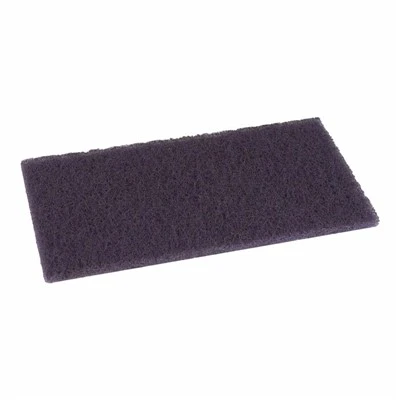
If you’re facing any of these problems with your current floor pads or are looking for high – quality floor pads to meet your cleaning needs, I’d be more than happy to assist you. Reach out to me to discuss your specific requirements, and together we can find the perfect floor pad solutions for your space. Whether you’re a small business owner, a facility manager, or a homeowner, I have a wide range of floor pads to suit every situation. Don’t hesitate to start a conversation about how we can work together to improve your floor cleaning process.
Scrubbing Pads References
- Cleaning Industry Research Institute (CIRI) – Best Practices for Floor Pad Maintenance
- Textile Institute Journal – Studies on the Absorbency and Durability of Different Floor Pad Materials
- National Floor Safety Institute (NFSI) – Guidelines on Preventing Floor Damage During Cleaning
Guangzhou YION New Material Technology Co., Ltd.
As one of the most professional floor pads manufacturers and suppliers in China, we offer a wide range of products with superior quality. Please feel free to buy customized floor pads made in China here from our factory. Also, quotation is available.
Address: Room 110, Building 2, No. 2 Jinhuan Street, Nansha District, Guangzhou City, Guangdong Province, China.
E-mail: info@yiontech.cn
WebSite: https://www.yionpads.com/
