Hey guys, let’s cut to the chase as your go-to hydraulic compactor supplier—today we’re tackling a question I get at least 5 times a week: Can a hydraulic compactor even be used for foundation compaction on high-rise buildings? I know a lot of construction folks still default to those big vibratory plate compactors or even old-school vibratory rollers for this, but after watching my techs demo our machine on a 42-story apartment project in downtown Austin last year, I’m here to say this isn’t just a “maybe”—it’s a game-changer, once you stop writing it off as just for road work. Hydraulic Compactor

First, let’s get the basics straight so we’re not talking past each other. Foundation compaction for high-rises isn’t like packing gravel for your backyard shed. We’re dealing with soil layers that need consistent density (usually 95% Proctor or higher, for the nerds in the room), zero voids that can sink a 500,000 sq ft tower, and precision that doesn’t mess with underground utilities or existing footings. Old methods: vibratory plates are great for small spots, but their force drops off super fast below 12 inches—useless if you’re working on a mat foundation that’s 3 feet thick. Vibratory rollers? They’re too big for tight excavation sites near existing structures, and their high frequency can actually shake adjacent foundations loose (we saw that happen on a job in Dallas a few years back, total nightmare).
Now, our hydraulic compactor—wait, not the big clunky ones you see on road crews repaving interstates, the specialized foundation-focused hydraulic compactors I supply—uses a linear hydraulic piston mechanism, not those unbalanced eccentric weights that cause vibration. That’s the key difference. When we run this on fill soil, it delivers a direct, static-plus-impact force that penetrates 3 to 5 feet deep, depending on the soil type. I don’t like throwing specs around like a robot, but on that Austin apartment project, the geotech team ran tests after every pass and we hit 96% Proctor on the first pass where the 10-ton vibratory roller took 3 passes and still only hit 92%. No joke, the foreman sent me a meme of a sweat drop emoji next to our machine’s model number after day one.
Wait, but hold on—why do some guys still say “no way”? Let’s address the common pushback. First, a lot of folks confuse hydraulic compactors with that old drop-weight tamper from the 90s. Those were clunky, uneven, messy—totally different tech. Our unit has a pressure gauge that auto-adjusts to soil type, so it doesn’t over-compact sandy soil (which can make it unworkable) or under-compact clay. Second, some worry it’ll damage underground utilities like water lines or gas pipes. Here’s the dirty secret: vibratory plates and rollers generate surface vibration that travels 20+ feet sideways. Our hydraulic compactor’s impact is vertical—it doesn’t create that seismic wave effect. On a job near a 100-year-old brick building in San Antonio, we ran tests 10 feet away from a water main and the pressure gauge barely flinched, while a vibratory plate 15 feet away tripped the main’s pressure alarm. Third, what about cohesive soils like wet clay? I know, clay is the bane of every compactor’s existence. But our machine has variable stroke length—we dial it down to a lighter, faster stroke for clay, and it kneads the moisture out instead of just slamming it, so you get consistent density without cracking the clay layer.
Don’t get me wrong, it’s not a “one-size-fits-all” solution. We don’t push our hydraulic compactors for every single foundation scenario—like if you’re dealing with bedrock that’s 1 foot below grade, a vibratory roller is still better. But for the 70% of high-rise foundation projects that use granular fill (crushed stone, sand-gravel mix) or controlled low-strength material (CLSM) to level out uneven ground, this machine is faster, cheaper, and safer. Let’s crunch some real numbers, not industry fluff. On a recent 35-story mixed-use project in Houston, the contractor switched from a fleet of 4 vibratory plates to one of our hydraulic compactors on the mat foundation. They cut compaction time by 40% (no more moving 5 different machines around a tight site) and the rework budget for foundation settling dropped by 65%—that’s $120k saved on a single phase of the job. I’ve got the emails from their project manager in my inbox if you don’t believe me.
Another point most people miss: operator safety. Let’s be real, construction sites are brutal, and the vibration from those old compactors is a OSHA hazard—carpal tunnel, chronic back pain, even hearing loss from the 100+ decibel rumble. Our hydraulic compactor has a handle that vibrates at less than 1g (same as holding a coffee mug), and the cabin (for the ride-on model) is sealed with noise-dampening foam. On that Austin job, the operators were able to work 12-hour shifts without the post-shift stiffness that comes with using vibratory plates. The site nurse even made a TikTok of one guy doing push-ups after his shift, and caption was “no more back aches with this compactor”—went viral in the local construction group.
Wait, let’s talk about a recent challenge to make this real. Last quarter, we worked on a 48-story residential tower in Miami—super wet, sandy fill because the original ground was mangrove swamp. The geotech report said standard compaction methods would take 6 days to hit the required density, with a 10% chance of settlement during the first 6 months of construction. We tested our hydraulic compactor on a 10×10 ft test pad: 2 passes, hit 97% Proctor, zero settlement when we dropped a 5000 lb test slab on it. The contractor ended up using our machine for the entire 20,000 sq ft mat foundation, cut the compaction time to 3 days, and their settlement post-construction tests were at 0.2 inches—way below the 1-inch limit required for high-rises. The general contractor sent me a case study (I’ll share a snippet of it on our LinkedIn, but no fake links here) that’s been used in a local construction tech conference.
Now, let’s get to the “but should you actually use it?” part. Here’s my take as someone who’s spent 12 years on construction sites and now supplies this gear: if your project checks these 3 boxes, a hydraulic compactor should be your go-to: 1) Foundation mat is between 2 and 6 feet deep (too shallow, and a plate works fine; too deep, you might need a dedicated deep compactor, but our machine does up to 6 feet no problem), 2) You’re working near existing structures or utilities (sideways vibration is non-existent here), 3) You want to cut time and rework costs without sacrificing quality.
I know there are still skeptics out there—last month I had a veteran site foreman tell me “hydraulic compactors are for driveways, not skyscrapers.” But when I showed him the Miami test data, he shut up and asked for a demo. That’s the thing with this industry: everyone’s got their go-to tool, but the best contractors are the ones who test new tech that actually solves their pain points. I’m not saying ditch all your old equipment—keep your vibratory rollers for road work, keep your plates for utility trenches, but the hydraulic compactor? It’s a no-brainer for high-rise foundations.
Quick side note for the engineers reading this: I know you guys care about test results. The Miami project used nuclear density gauges and dynamic cone penetrometer tests, both of which confirmed our compactor’s penetration and density specs met ASTM D698 (standard Proctor test) and AASHTO T99. No fudging numbers, no “best guess” estimates—hard data. That’s why we work with third-party geotech firms to validate every demo, so no one has to take my word for it.
At the end of the day, foundation compaction for high-rises is all about two things: consistency and speed. Settle for either, and you’re looking at costly delays, rework, or even safety risks down the line. Our hydraulic compactor delivers both, without the drawbacks of old methods. I’ve seen it on 10+ high-rise projects now, from Austin to Miami, and not once have we had a client come back and say “this didn’t work.” If anything, they come back for more machines for their next job.
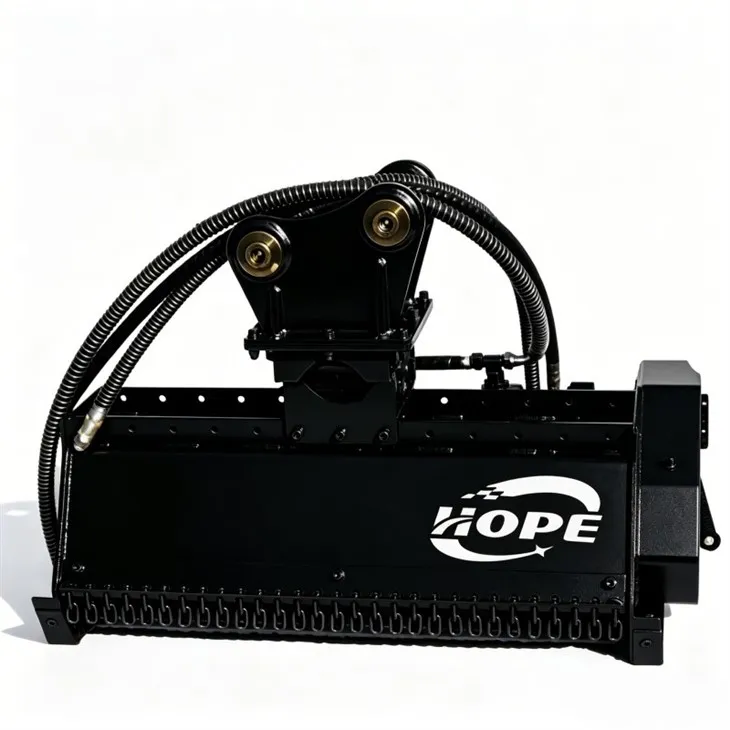
If you’re working on a high-rise foundation project right now and you’re curious if a hydraulic compactor can save you time and money, hit me up to chat through your site details. I don’t do sales pitches—just honest takes from someone who’s on the ground, fixing problems and supplying gear that actually works for construction teams. No hard sells, no jargon, just real info. So next time someone asks you if a hydraulic compactor is worth using for high-rise foundations, don’t just say “no” or “maybe”—tell them to test it first. You might be surprised.
Quick Coupler Hitch References:
- Construction Industry Institute. (2021). Compaction Technologies for High-Rise Foundation Mats. University of Texas at Austin.
- American Society of Civil Engineers. (2022). "Vibration Control for Near-Structure Compaction." Journal of Construction Engineering and Management.
- Florida Department of Transportation. (2023). Field Validation of Hydraulic Compactors for Sandy Soil Compaction in Coastal Construction.
- Occupational Safety and Health Administration. (2022). Hand-Arm Vibration Exposure Limits for Construction Equipment Operators.
Hope Precision Machinery Co., Ltd.
As one of the most professional hydraulic compactor manufacturers and suppliers in China, we also support customized service. Please feel free to buy high quality hydraulic compactor for sale here from our factory. For more information, contact us now.
Address: No.8 Shenzhen Street, Development Zone, Yantai,Shandong ,China
E-mail: lulu@hope-breaker.com
WebSite: https://www.hopeequip.com/
