How to make a sheet metal enclosure compliant with industry regulations?
As a seasoned supplier of sheet metal enclosures, I understand the critical importance of ensuring that every product we deliver meets the stringent requirements of industry regulations. In this blog, I’ll share my insights and experiences on how to make a sheet metal enclosure compliant with these regulations, a process that is both complex and essential for the success of our clients’ projects. Sheet Metal Enclosure
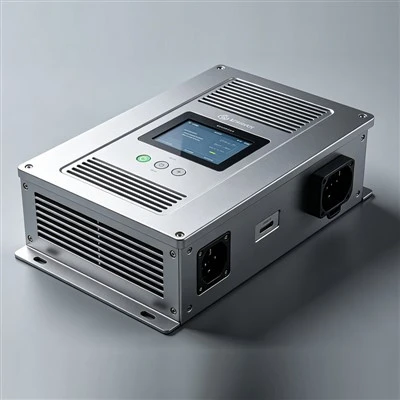
Understanding Industry Regulations
The first step in making a sheet metal enclosure compliant is to have a thorough understanding of the relevant industry regulations. These regulations can vary significantly depending on the application of the enclosure. For example, enclosures used in the electrical industry must comply with standards such as the National Electrical Code (NEC) in the United States or the International Electrotechnical Commission (IEC) standards globally. These standards cover aspects like electrical safety, grounding, and protection against environmental factors.
In the telecommunications industry, enclosures need to meet standards for electromagnetic interference (EMI) and radio frequency interference (RFI) shielding. This is crucial to prevent interference with other electronic devices and ensure reliable communication. Medical device enclosures, on the other hand, are subject to strict regulations to ensure patient safety and product quality. They must comply with standards such as ISO 13485 for medical device quality management systems and specific requirements regarding biocompatibility and sterilization.
To stay updated on these regulations, we regularly monitor industry publications, participate in standards development committees, and maintain close relationships with regulatory authorities. This allows us to anticipate changes in regulations and proactively adjust our manufacturing processes.
Material Selection
The choice of materials is a fundamental aspect of ensuring compliance. Different materials have different properties, and selecting the right one is crucial for meeting various regulatory requirements.
For electrical enclosures, materials with good electrical conductivity and corrosion resistance are essential. Steel is a commonly used material due to its high strength and relatively low cost. However, it must be properly coated to prevent rust. Stainless steel is another excellent choice, especially in applications where corrosion resistance is of utmost importance, such as in outdoor or marine environments.
In applications where EMI/RFI shielding is required, materials with high magnetic and electrical conductivity are preferred. Copper and aluminum alloys are often used because they can effectively absorb and reflect electromagnetic waves. These materials need to be properly fabricated and assembled to maintain their shielding effectiveness.
When it comes to medical device enclosures, materials must be biocompatible and resistant to sterilization processes. Plastics like polycarbonate and acrylonitrile butadiene styrene (ABS) are commonly used, as they can be easily molded and have good chemical resistance. Titanium and certain grades of stainless steel are also used for their biocompatibility and strength.
Design Considerations
The design of the sheet metal enclosure plays a vital role in compliance. A well-designed enclosure not only meets regulatory requirements but also enhances functionality and ease of use.
One of the key design considerations is access to internal components. Regulations often require that enclosures provide easy access for maintenance, inspection, and repair. This means designing doors, panels, and hatches that can be easily opened and closed without compromising the integrity of the enclosure.
Ventilation is another important aspect, especially for enclosures that house electronic components. Proper ventilation helps to dissipate heat and prevent overheating, which can damage the components and pose a safety risk. The design should include vents or fans that are sized and positioned to ensure adequate air circulation while also preventing the ingress of dust and moisture.
In terms of EMI/RFI shielding, the design should minimize gaps and openings in the enclosure. Seams and joints should be properly sealed to prevent electromagnetic leakage. Gaskets and conductive coatings can be used to enhance the shielding effectiveness.
Manufacturing Processes
The manufacturing processes used to produce the sheet metal enclosure also need to be carefully controlled to ensure compliance. Precision machining and fabrication techniques are essential to meet the tight tolerances specified by regulations.
Cutting, bending, and welding processes must be carried out with high accuracy to ensure the proper fit and alignment of components. Welding is a critical process, especially in applications where the enclosure needs to be airtight or watertight. Welds must be inspected for quality to ensure they meet the required standards.
Surface finishing is another important aspect of the manufacturing process. Coating the enclosure with a protective finish not only enhances its appearance but also provides corrosion resistance. The type of finish used should comply with environmental regulations, such as restrictions on the use of certain chemicals in coatings.
Testing and Certification
Once the sheet metal enclosure is manufactured, it must undergo rigorous testing to ensure compliance with industry regulations. Testing can include electrical safety tests, EMI/RFI shielding effectiveness tests, environmental tests (such as temperature and humidity testing), and mechanical strength tests.
In many cases, third – party certification is required to demonstrate compliance to customers and regulatory authorities. We work closely with accredited testing laboratories to conduct these tests and obtain the necessary certifications. This not only gives our customers confidence in the quality and compliance of our products but also helps us to identify any potential issues early in the process and make necessary improvements.
Quality Control and Documentation
Maintaining a strict quality control system is essential throughout the entire process of making a sheet metal enclosure compliant. This includes inspecting raw materials, monitoring manufacturing processes, and conducting final inspections of the finished product.
Documentation is also a critical part of compliance. We keep detailed records of all manufacturing processes, test results, and certifications. This documentation not only helps us to demonstrate compliance but also provides a valuable reference for future audits and quality improvement initiatives.
Conclusion
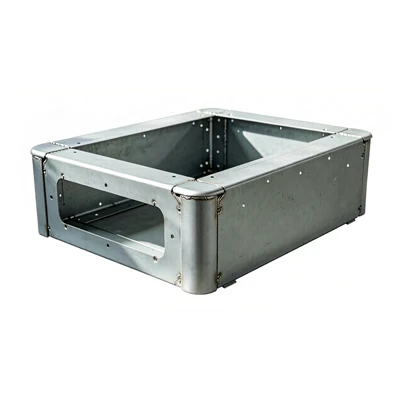
Making a sheet metal enclosure compliant with industry regulations is a comprehensive process that involves understanding the regulations, selecting the right materials, designing for compliance, controlling manufacturing processes, conducting testing and certification, and maintaining quality control and documentation. As a sheet metal enclosure supplier, we are committed to providing our customers with high – quality, compliant products.
Sheet Metal Cabinet If you are in the market for sheet metal enclosures and are looking for a reliable supplier who can ensure compliance with industry regulations, we would love to have a conversation with you. Our team of experts is ready to work with you to understand your specific requirements and provide customized solutions. Contact us to start a discussion about your next project.
References
- National Fire Protection Association. National Electrical Code (NEC).
- International Electrotechnical Commission (IEC) standards.
- ISO 13485:2016 Medical devices – Quality management systems – Requirements for regulatory purposes.
Hefei Excellent Intelligent Technology Co., Ltd.
As one of the most professional sheet metal enclosure manufacturers in China, we’re featured by quality products and good service. Please rest assured to wholesale bulk customized sheet metal enclosure made in China here from our factory. Also, pricelist is available.
Address: No. 3 Jingyi Road, Douzhen Industrial Park, Gangji Town, Changfeng County, Hefei City, Anhui Province
E-mail: 1637201948@qq.com
WebSite: https://www.cnakst.com/
