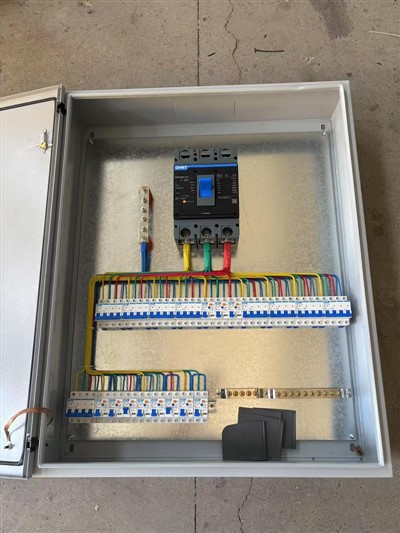
As a seasoned supplier of high – voltage distribution boxes, I’m often asked about the various monitoring functions these essential pieces of equipment possess. In this blog post, I’ll delve into the crucial monitoring functions of a high – voltage distribution box, highlighting their importance in maintaining the reliability, safety, and efficiency of electrical systems. High-Voltage Distribution Box
Voltage Monitoring
One of the most fundamental monitoring functions of a high – voltage distribution box is voltage monitoring. Voltage is the driving force behind the flow of electricity, and maintaining a stable voltage level is crucial for the proper operation of electrical devices. Fluctuations in voltage can lead to premature equipment failure, reduced efficiency, and even safety hazards.
High – voltage distribution boxes are equipped with voltage sensors that continuously measure the voltage at different points within the distribution network. These sensors provide real – time data on the line voltage, allowing operators to detect any deviations from the normal operating range. For example, if the voltage drops below a certain threshold, it could indicate a problem such as a fault in the power supply or an overloaded circuit. On the other hand, an excessive voltage can cause insulation breakdown and damage to electrical components.
By monitoring voltage levels, operators can take proactive measures to address any issues before they escalate. This may involve adjusting the tap settings on transformers, redistributing loads, or isolating faulty sections of the network. Additionally, voltage monitoring data can be used for long – term analysis to identify trends and predict potential problems, allowing for preventive maintenance and infrastructure upgrades.
Current Monitoring
Another critical monitoring function is current monitoring. Current is the flow of electric charge, and excessive current can cause overheating, component damage, and electrical fires. Therefore, it’s essential to monitor the current flowing through the high – voltage distribution box to ensure that it remains within safe limits.
High – voltage distribution boxes are fitted with current transformers (CTs) that measure the current in the electrical conductors. These CTs step down the high – voltage current to a level that can be safely measured by monitoring devices. The current monitoring data provides valuable information about the load on the electrical system, allowing operators to identify areas of high demand and potential overloading.
For instance, if the current in a particular circuit exceeds the rated capacity, it could indicate a short – circuit or a malfunctioning device. By detecting such abnormal currents early, operators can quickly isolate the affected circuit and take corrective action to prevent further damage. In addition, current monitoring can help in load management, as it allows operators to balance the load across different circuits and optimize the use of electrical resources.
Temperature Monitoring
Temperature is a key indicator of the health and performance of electrical equipment. High – voltage distribution boxes generate heat during normal operation due to the resistance of electrical conductors and the operation of electrical components. Excessive heat can degrade the insulation materials, reduce the lifespan of components, and increase the risk of electrical failures.
To prevent these issues, high – voltage distribution boxes are equipped with temperature sensors that monitor the temperature of critical components such as busbars, circuit breakers, and transformers. These sensors provide real – time temperature data, allowing operators to detect any abnormal temperature rises. For example, if the temperature of a busbar exceeds a certain limit, it could indicate a loose connection or overloading, which may lead to arcing and electrical fires.
By continuously monitoring the temperature, operators can take timely measures to prevent thermal damage. This may include increasing ventilation, reducing the load, or replacing faulty components. Temperature monitoring also helps in predicting maintenance needs, as abnormal temperature trends can indicate the onset of component wear or failure.
Power Factor Monitoring
Power factor is a measure of how effectively electrical power is being used in a system. A low power factor indicates that a significant amount of electrical power is being wasted in the form of reactive power, which can lead to increased energy costs and reduced system efficiency.
High – voltage distribution boxes are capable of monitoring the power factor of the electrical system. This is achieved through the use of power factor meters, which measure the ratio of real power (the power used to do actual work) to apparent power (the total power supplied to the system). By monitoring the power factor, operators can identify areas where reactive power compensation is required.
For example, if the power factor is below a certain threshold, capacitors can be installed in the high – voltage distribution box to correct the power factor. This helps in reducing the reactive power demand, improving the overall efficiency of the electrical system, and lowering energy costs. Power factor monitoring also provides valuable data for power system planning and optimization, as it allows operators to assess the impact of different loads on the system’s power factor.
Fault Monitoring
Fault monitoring is an essential function of high – voltage distribution boxes, as it helps in quickly detecting and isolating faults in the electrical network. Faults can occur due to various reasons, such as lightning strikes, equipment failure, or human error, and can lead to power outages and damage to electrical equipment.
High – voltage distribution boxes are equipped with fault detection devices, such as relays and sensors, that continuously monitor the electrical parameters. These devices can detect abnormal conditions such as over – current, over – voltage, and under – frequency, which are often indicators of a fault. When a fault is detected, the fault monitoring system sends a signal to the circuit breaker, which promptly isolates the faulty section of the network to prevent the spread of the fault.
In addition to detecting faults, high – voltage distribution boxes can also record fault data, such as the time of occurrence, the magnitude of the fault current, and the type of fault. This data is invaluable for diagnostic purposes, as it allows engineers to analyze the cause of the fault and take appropriate measures to prevent similar faults in the future.
Communication and Remote Monitoring
Modern high – voltage distribution boxes are often equipped with communication capabilities, allowing for remote monitoring and control. This is achieved through the use of communication protocols such as Modbus, Ethernet, and wireless communication technologies. With remote monitoring, operators can access real – time data from the high – voltage distribution box from a central control room or even mobile devices.
Remote monitoring offers several advantages. Firstly, it allows for quick response to any异常 conditions, as operators can receive alerts and notifications in real – time. This reduces the downtime of the electrical system and minimizes the impact of faults on consumers. Secondly, remote monitoring enables efficient maintenance management, as technicians can diagnose problems remotely and plan maintenance tasks accordingly. Finally, it provides historical data for analysis, which can be used to improve the performance and reliability of the electrical system over time.
In conclusion, the monitoring functions of a high – voltage distribution box play a vital role in ensuring the safety, reliability, and efficiency of electrical systems. By continuously monitoring voltage, current, temperature, power factor, and fault conditions, operators can detect and address potential problems before they cause significant damage. The ability to communicate and remotely monitor these critical parameters further enhances the management and control of high – voltage distribution networks.
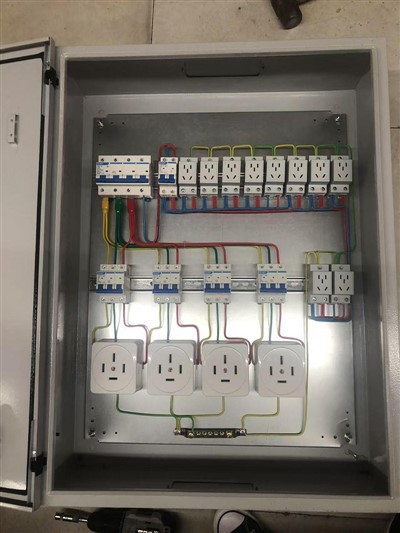
If you’re in the market for a high – voltage distribution box, I encourage you to get in touch with our team. We have a wide range of high – quality high – voltage distribution boxes that are equipped with advanced monitoring functions. Our experienced engineers can work with you to understand your specific requirements and provide the best solution for your electrical system. Contact us today to start the procurement and negotiation process and take the first step towards a more reliable and efficient electrical infrastructure.
Distribution Box References
- "Electrical Power Distribution Handbook" by George Alexander and Mark Elgerd.
- "High – Voltage Engineering and Testing" by M. S. Naidu and V. Kamaraju.
- Industry standards and technical documents related to high – voltage distribution systems.
Anhui Nanxian Electric Co., Ltd.
With abundant experience, we are one of the most professional high-voltage distribution box manufacturers and suppliers in China. We warmly welcome you to buy advanced high-voltage distribution box for sale here and get quotation from our factory. All customized products are with high quality and low price.
Address: Factory Unit 03-2, Building 21, Feidong Yinfeng Industrial Park Co., Ltd., Northeast Corner of Manquan Road and Changle Road, Hefei Circular Economy Demonstration Park, Feidong County, Hefei City, Anhui Province.
E-mail: 541580567@qq.com
WebSite: https://www.nxelepower.com/
