In the dynamic world of animal husbandry and aquaculture, the feed pellet machine has emerged as an indispensable tool for producing high – quality feed pellets. As a leading feed pellet machine supplier, I’ve witnessed firsthand the transformative power of these machines in streamlining feed production processes. At the heart of every robust feed pellet machine lies a seemingly simple yet utterly crucial component: the roller. In this blog, I aim to delve deep into the role of the roller in a feed pellet machine, exploring its functionality, significance, and impact on overall feed pellet quality and production efficiency. Feed Pellet Machine
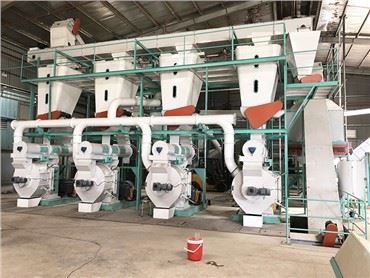
Understanding the Basic Structure of a Feed Pellet Machine
Before we can fully appreciate the role of the roller, it’s essential to understand the general structure of a feed pellet machine. A typical feed pellet machine consists of a hopper, a conditioner, a die, rollers, and a cutter. The hopper is where the raw materials are initially loaded. The conditioner then adds moisture and heat to the raw materials, making them more pliable and easier to form into pellets. The die is a circular or flat plate with numerous holes through which the feed material is forced to create the pellet shape. And that’s where the rollers come in.
The Primary Function of the Roller in a Feed Pellet Machine
The main purpose of the roller in a feed pellet machine is to apply pressure to the conditioned feed material against the die. As the rollers rotate, they push the feed into the holes in the die. This compressive force is what compacts the feed into a dense, uniform pellet. Without the rollers, the feed material would simply not be able to pass through the die effectively, and the production of high – quality pellets would be impossible.
The pressure exerted by the rollers is a critical factor. If the pressure is too low, the pellets may be too soft and crumbly, which can lead to poor storage and handling characteristics. On the other hand, if the pressure is too high, it can cause excessive wear on the die and rollers, increase energy consumption, and may even result in over – heating of the feed material, which can degrade the nutritional value of the pellets. Therefore, the design and operation of the rollers are carefully calibrated to ensure the optimal pressure is applied.
Impact on Pellet Quality
The quality of the feed pellets is directly related to the performance of the rollers. Firstly, the rollers help in achieving a consistent pellet size and shape. By evenly distributing the feed material across the die surface and applying uniform pressure, the rollers ensure that each pellet is of a similar diameter and length. This uniformity is crucial for proper feeding, as it allows animals to consume the feed easily and helps in achieving consistent nutritional intake.
Secondly, the rollers play a key role in determining the density of the pellets. Density affects the durability and floatability of the pellets. For example, in aquaculture feed production, pellets need to have the right density to either float or sink in the water, depending on the feeding habits of the fish or shrimp. The rollers can be adjusted to vary the pressure, thereby controlling the density of the pellets. A higher – density pellet is generally more durable, less prone to breakage during handling and transportation, and can have a longer shelf – life.
Influence on Production Efficiency
Rollers have a significant impact on the production efficiency of a feed pellet machine. Their smooth and continuous rotation is essential for maintaining a steady flow of feed material through the die. Any irregularities in the roller’s movement, such as uneven rotation or excessive vibration, can disrupt the production process and lead to a decrease in output.
Moreover, a well – designed roller can reduce the frictional resistance between the feed material and the die. Friction not only consumes additional energy but also causes wear and tear on the machine components. By minimizing friction, the rollers help in reducing energy consumption, which ultimately leads to lower production costs. Additionally, less wear on the rollers and the die means fewer replacements, less downtime for maintenance, and increased overall productivity of the feed pellet machine.
Different Types of Rollers and Their Applications
There are primarily two types of rollers used in feed pellet machines: flat die rollers and ring die rollers.
Flat die rollers are commonly found in small – scale and medium – scale feed pellet machines. They are relatively simple in design and are well – suited for producing a variety of feed pellets. Flat die rollers are ideal for small farms, home – based feed production units, and experimental setups where the production volume is not extremely high.
Ring die rollers, on the other hand, are used in large – scale industrial feed pellet machines. These rollers are designed to handle high – volume production with greater efficiency. The ring die structure allows for a larger surface area of interaction between the rollers and the die, enabling more feed to be processed at once. Ring die rollers are often used in commercial feed mills that supply large quantities of feed to poultry farms, livestock producers, and aquaculture facilities.
Maintenance and Longevity of Rollers
As a supplier, I always emphasize the importance of proper roller maintenance to our customers. The rollers are subject to significant wear and tear due to the high – pressure and high – friction environment in which they operate. Regular cleaning is essential to remove any feed residues that may accumulate on the roller surface. This helps in preventing the formation of hard – to – remove deposits, which can affect the roller’s performance and pellet quality.
Lubrication is another crucial aspect of roller maintenance. Proper lubrication reduces friction between the moving parts of the roller assembly, extending its lifespan and ensuring smooth operation. Additionally, inspecting the rollers regularly for signs of wear, such as uneven surfaces or excessive pitting, is necessary. When wear reaches a certain level, the rollers should be replaced promptly to avoid any negative impact on pellet production and machine performance.
Conclusion
In conclusion, the roller plays a central and multi – faceted role in a feed pellet machine. From applying pressure to create high – quality pellets to impacting production efficiency and quality control, the rollers are a vital component that cannot be overlooked. As a feed pellet machine supplier, we are committed to providing our customers with machines equipped with high – performance rollers. Our in – depth understanding of the role of rollers allows us to offer solutions that meet the specific needs of different customers, whether they are small – scale farmers or large – scale industrial feed producers.
Biomass Drying Machine If you are in the market for a reliable feed pellet machine or have any questions about the role of rollers in feed pellet production, we encourage you to reach out to us. Our team of experts is ready to assist you in making the right choice for your feed production requirements. Let’s start a conversation about how our feed pellet machines can enhance your feed production process and contribute to the success of your animal husbandry or aquaculture business.
References
- "Animal Feed Pelleting Technology" by Manfred Zoller
- "Feed Manufacturing Technology" published by the American Feed Industry Association
- Various research articles on feed pellet machine design and operation from industry – recognized journals.
Zhengzhou Fanda Machinery Co., Ltd.
Zhengzhou Fanda Machinery Co., Ltd. is one of the most professional feed pellet machine manufacturers and suppliers in China. Feel free to buy cheap feed pellet machine for sale from our factory and check the price with us.
Address: Zhisi Road, Zhongyuan District, Zhengzhou, Henan, China.
E-mail: vincenthan@fandamachinery.com
WebSite: https://www.fandapelletmill.com/
